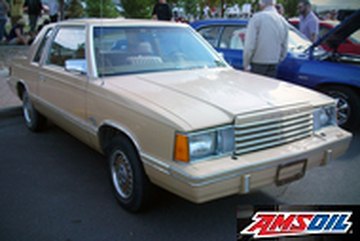
Maintaining Lubrication Standards for the 1981 Dodge ARIES 2.2L
Proper engine care for a vehicle of this era requires a focus on consistent monitoring and adherence to specific fluid requirements. For owners of a 1981 Dodge ARIES equipped with the 2.2L engine, maintaining the internal lubrication system is a fundamental aspect of long-term mechanical health. Because older engines operate under different tolerances and material conditions than modern vehicles, a proactive approach to service can help manage the natural aging process of various components.Monitoring Fluid Integrity and Condition
One of the most effective ways to monitor the health of the 2.2L engine is through regular observation of the lubricant itself. When performing routine checks, it is useful to look for changes in the appearance or consistency of the oil. While some level of darkening is expected as the oil undergoes thermal cycles and collects microscopic debris, extreme discoloration or a significant change in texture can be an indicator that the fluid has reached the end of its effective service life. If you notice any unusual odors emanating from the engine area, this warrants investigation. Such scents may indicate that lubricant is contacting hot external surfaces. Furthermore, observing the ground beneath the vehicle during periods of inactivity can help identify potential leaks. Any evidence of fluid seepage or active dripping should be addressed promptly to prevent unexpected loss of lubrication levels.Systematic Inspection of Engine Components
Beyond the oil itself, a comprehensive maintenance strategy involves inspecting the surrounding components that support engine operation. For an engine from 1981, many parts are subject to environmental factors and age-related wear.- Gaskets and Seals: Periodically inspect various gaskets and seals for signs of seepage. While small amounts of "sweating" can occur on older engines, active leaks should be monitored closely.
- Cooling System Components: If equipped, check hoses for signs of softening, cracking, or bulging. Ensuring the cooling system is intact is vital, as overheating can rapidly degrade engine oil through thermal breakdown.
- Drive Belts: If the engine utilizes accessible drive belts, inspect them for glazing, fraying, or surface cracking. Maintaining belt tension and integrity ensures that engine-driven accessories operate within their intended parameters.
- Electrical Connections: Inspect visible wiring and electrical connectors for signs of corrosion or brittle insulation, which can affect sensor accuracy and overall engine management.
Prioritizing Maintenance Based on Vehicle History
When managing an older vehicle like the 1981 Dodge ARIES, maintenance priorities should ideally be driven by documented history and current physical condition rather than arbitrary age milestones alone. If service records are available, they provide a baseline for understanding when major components were last inspected or replaced. In cases where a complete service history is unavailable, establishing a new maintenance baseline is a practical first step. This involves performing a thorough inspection of all fluids and belts to determine their current state. Once this baseline is set, the owner can transition from reactive repairs to a more organized preventive approach. Addressing any active leaks or signs of component wear identified during the initial baseline inspection should be the primary focus before moving on to routine scheduled tasks.Managing Long-Term Engine Health
As engines age, their lubrication needs may evolve. Some owners choose to explore different lubricant formulations as part of their long-term maintenance strategy. For instance, some high-mileage oil formulations contain additives intended for use in aging engines, including seal-conditioning additives that may help manage minor seepage. However, it is important to distinguish between preventive maintenance and unnecessary component replacement. Not every sign of age requires immediate intervention; rather, the goal should be to monitor changes in fluid consumption or mechanical noise over time. If a vehicle has historically maintained stable oil levels and operates quietly, there is often no need to change established service habits. Conversely, if you notice an increase in lubricant consumption or new mechanical sounds, these symptoms can have multiple causes and should be investigated by a professional to determine the exact source.The Role of Clean Lubrication
The primary function of engine oil is to provide a consistent film that reduces friction between moving parts. Beyond simple lubrication, the fluid also plays a role in managing heat within the engine block and helping to suspend contaminants so they can be captured by the filter. Maintaining high lubricant quality helps prevent the buildup of deposits and sludge, which can occur when oil oxidizes or becomes heavily contaminated with combustion byproducts. Keeping the lubrication system clean through regular service intervals is one of the most effective ways to support the longevity of the internal engine components.Practical Advice for BUYING ENGINE OIL for your 1981 Dodge ARIES 2.2L
When it is time to replenish your engine's lubricant, accuracy in selection is paramount. You should not rely on general automotive knowledge or assumptions based on the vehicle's age to determine which grade to purchase. Instead, match the engine oil to the application-specific viscosity information shown above on this page. Before finalizing your purchase, consider the following steps:- Verify Application Data: Always refer back to the specific viscosity and requirements listed in the technical data section of this webpage for your exact 1981 Dodge ARIES 2.2L.
- Check Product Labels: Ensure that any oil you purchase meets the appropriate API certification standards for the intended use.
- Evaluate Formulations: Depending on your specific needs and the current condition of your engine, you may choose between conventional, synthetic blends, or full synthetic oils. If your engine shows signs of high mileage, you might consider formulations specifically designed with seal conditioners.
- Avoid Assumptions: Do not assume that a modern oil grade is a direct substitute for what was originally used; always prioritize the specific application information provided here.